
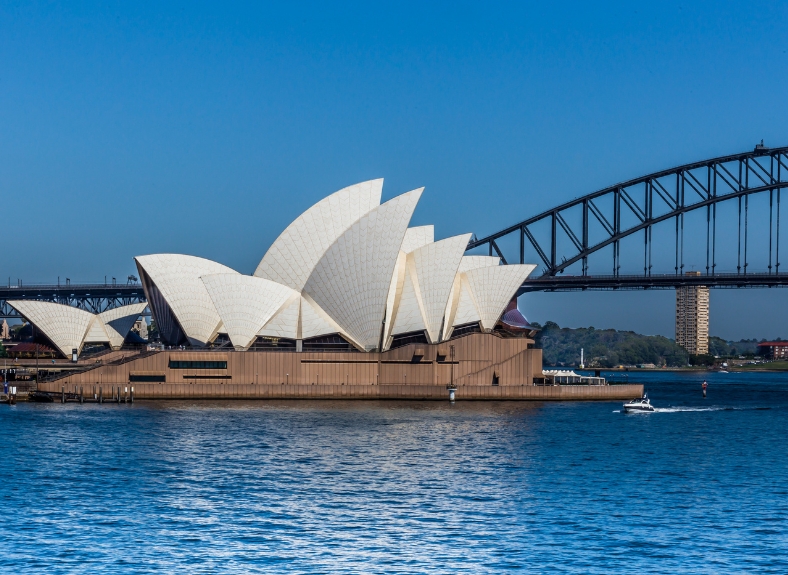
Australia continues to be one of the most preferred study destinations worldwide. Life in Australia for international students offers academic excellence, global career exposure, multicultural living, and a safe environment. Students not only receive quality education but also gain practical work experience and international networking opportunities.
Why Life in Australia for International Students Is Popular
Australia hosts students from more than 190 countries. Indian students remain one of the largest international student groups. Over recent years, enrollment numbers have steadily grown due to Australia’s strong education system and post-study work pathways.
The country promotes cultural diversity, making it easier for international students to adapt and feel welcomed.

Country and Cities Population
Australia has a population of around 26 million people, contributing to lower population density and better living standards.
Most Populated Student Cities
1. Sydney
2. Melbourne
3. Brisbane
4. Perth
5. Adelaide
These cities are known for strong job markets, reputable universities, and vibrant student communities.
Demographics and Life Expectancy
Australia maintains a high standard of healthcare services. The average life expectancy is approximately 83 years, reflecting the country’s advanced medical facilities and healthy lifestyle.
Domestic Travel in Australia
Australia is the sixth-largest country in the world by land area, making domestic travel important for students.
Air Travel
Domestic airlines connect all major cities efficiently, making air travel the fastest option for long distances.
Train Travel
Train networks allow students to explore scenic countryside routes at reasonable prices.
Bus Travel
City buses are economical and widely used by students for daily commuting.
Ferry Services
In coastal cities, ferries offer both practical transportation and beautiful waterfront views.
International Travel to Australia
As an island nation, air travel is the primary way to enter Australia. Direct and connecting flights operate from major Indian airports to Australian cities.
Common international airports include:
Brisbane Airport
Adelaide Airport
Cairns Airport
Accommodation and Living Expenses
The cost of living varies by city and lifestyle. According to financial requirements, students should budget approximately AUD 24,000–29,000 per year for living expenses (as recommended by Australian authorities).
Homestays
Prices range from AUD 250 to AUD 350 per week, depending on the meals and utilities provided.
Residential Colleges
Expect to pay between AUD 200 and AUD 750 per week, which usually includes snacks. library access, WIFI, and other utilities
Managed Student Apartments
Single or shared rooms are available, costing between AUD 200 and AUD 500 per week.
Hostels
These are the most budget-friendly options, with costs ranging from AUD 90 to AUD 150 per week.
Halls of Residence
Prices for halls of residence start at AUD 320 and can go up to AUD 1,000 per month. depending on the amenities provided.
Sightseeing in Australia
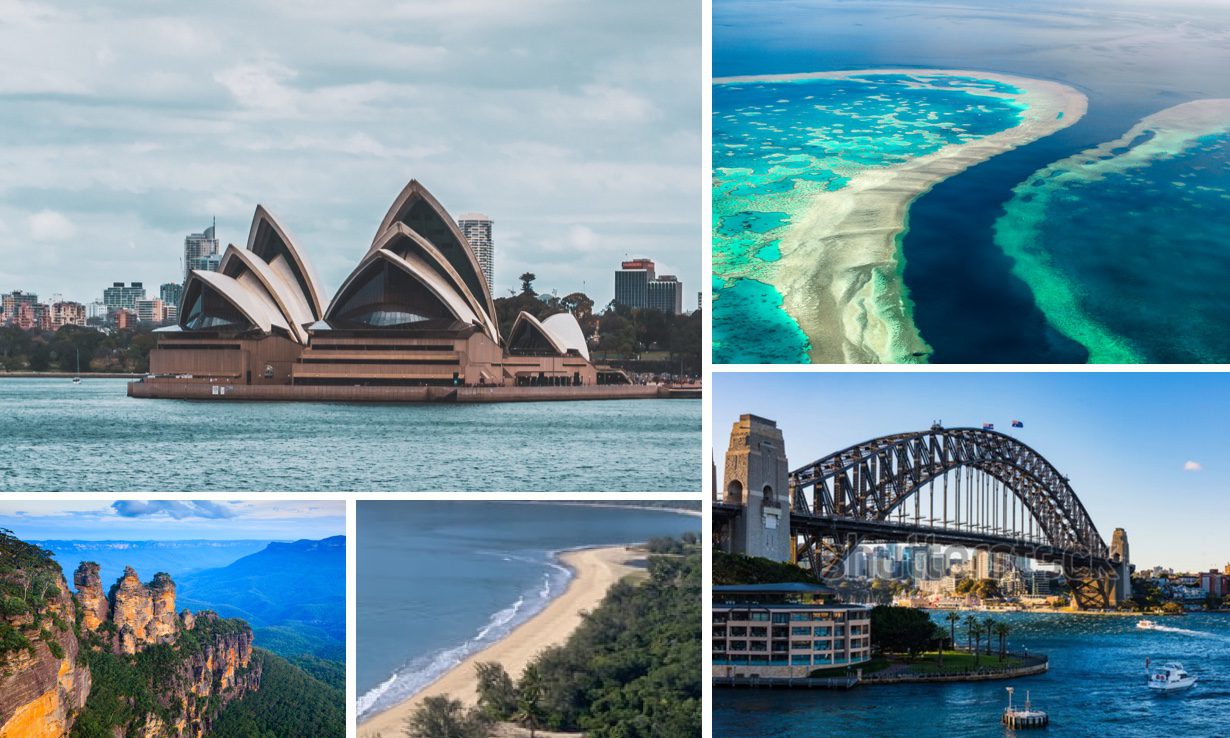
One major benefit of life in Australia for international students is the opportunity to explore world-famous attractions.
Popular destinations include:
Sydney Opera House
Great Barrier Reef
Blue Mountains National Park
Great Ocean Road
Weather
Currency
Religion
Nightlife
Australia’s climate is generally pleasant and mild, making it a comfortable place to live. However, you may encounter varying weather patterns across different cities, sometimes even on the same day. One thing to note is that Australia’s seasons are the opposite of those in many other parts of the world. Be sure to plan your travel and stay according to the local climate.
Australia uses the Australian Dollar (AUD). It’s a good idea to exchange currency before arriving in Australia, as currency exchange at airports can be costly. You can check the current exchange rate to ensure you get the best value for your money.
Australia is a multicultural country, and while people from around the world come here to study and work, Christianity is the most widely practiced religion. Australians are known for their warmth and acceptance, allowing you the freedom to practice your faith without any restrictions.
As the saying goes, “All work and no play makes Jack a dull boy. ” Australia offers a variety of entertainment options, including clubs, pubs, restaurants, malls, and bars. Major student cities like Melbourne, Sydney, and Perth are famous for their vibrant nightlife, making them perfect for students to enjoy their leisure time. With a strong law and order system in place, you can safely enjoy the lively atmosphere of these cities.
Why Live and Work in Australia
Standard of Living
Australia is known for its high standard of living, making it one of the best destinations for international students. It consistently ranks highly on the UN’s Human Development Index.
In 2019, Melbourne was ranked as the third-best city for international students, with Sydney in ninth place. Other cities like Brisbane, Canberra, Adelaide, and Perth also made it to the top 50, ensuring a great quality of life no matter where you choose to study.
Stay Back After Studies
Australia’s post-study work visas provide international students with the opportunity to stay,
work, and live in the country after completing their studies. This makes it easier for students
to gain work experience and continue enjoying Australia’s excellent lifestyle after graduation.
If you are planning your higher education journey, you can also explore our detailed Study in Australia guide to understand courses, universities, and admission requirements.
Student Part-Time Jobs and Wage Rates
Australia offers international students the chance to work part-time while studying, providing
valuable experience in the country’s work culture. This helps students develop key skills and prepares them for future employment. During term time, international students are allowed to work up to 40 hours per fortnight.
Some popular part-time jobs for students in Australia include:
1. Retail sales positions
2. Restaurant support roles
3. Sales and telemarketing
4. Mail carrier
5. Farming-related activities
The government sets the minimum full-time wage for adults in Australia between $18.29 and
$18.93 per hour. These rates are adjusted for international students depending on their age.
Part-Time Jobs and Work Culture
Under Student Visa conditions (Subclass 500), international students can work limited hours per fortnight during academic sessions and unlimited hours during official breaks (subject to current government rules).
Work culture in Australia is professional yet informal. Communication, teamwork, and punctuality are highly valued. For latest visa updates, refer to the
Department of Home Affairs website
Minimum Wages in Australia for International Students
One important part of life in Australia for international students is the opportunity to earn while studying. Australia has one of the highest minimum wages in the world.
As per recent updates, the national minimum wage in Australia is around AUD 23+ per hour (before tax). However, actual pay may vary depending on the job role, industry, and location.
Students working in hospitality, retail, or customer service may earn between
AUD 23–30 per hour (weekday shifts)
Higher pay on weekends and public holidays
Work Hour Rules for Student Visa Holders
Under the Student Visa (Subclass 500), international students can work limited hours per fortnight during study periods and full-time during official semester breaks (as per current government regulations).
Health and Safety in Australia
Australia's Health System for International Students
International students are required to have health insurance for the duration of their stay in Australia. While they are not eligible for the national Medicare system, there are affordable private health insurance options available to ensure students are well-covered for medical needs.
Support Centre’s for Students in Australia
Pursuing a course in a new country can be daunting, especially when adapting to a different language, culture, and academic environment. Fortunately, Australia offers a wide range of support services for international students.
International Student Support Hotline
Australia provides a dedicated hotline at 1300 363 079 to assist international students with
their queries and concerns. This service aims to ensure the health and safety of students
studying in Australia.
International Student Support Hotline
The Council of International Students Australia (CISA) represents international students
pursuing undergraduate, postgraduate, and specialized courses across the country.
Australian Federation of International Students (AFIS)
AFIS is committed to helping international students have a safe, enriching, and memorable
experience while studying in Australia.
Emergency Helplines
Consular assistance is available 24/7 via the Consular Emergency Centre (CEC):
- Within Australia: 1300 555 135
- From overseas: +61 2 6261 3305
With robust emergency services, public transport, and work health and safety laws, Australia
ensures a secure and welcoming environment for students from around the world.
Immigration and Citizenship in Australia
Student Visa Subclass 500
This visa allows international students to stay in Australia for up to five years to pursue their studies. It also permits students to bring family members with them. Holding this visa requires registering for Overseas Student Health Cover (OSHC) for health insurance during your stay. Applications can be submitted online through the official Department of Home Affairs website.
Visa Extensions
There is no automatic visa extension in Australia. If your visa is nearing expiration, you can either:
1. Apply for a new student visa.
2. Apply for a visitor visa.
Failure to apply for a new visa before your current one expires may result in deportation.
Post-Study Work Visa (Subclass 485)
This visa allows graduates to stay and work in Australia for 2–4 years after completing a bachelor’s, master’s, or doctorate program. It provides full work and education rights, making it an excellent option for students who wish to extend their stay.
For further details on visas, immigration policies, or citizenship, refer to the official Australian government websites or consult with visa experts.