Rightway Career Consultants

Life in Canada for international students exploring university campus

Life in Canada for international students offers a mix of quality education, safe living conditions, career opportunities and multicultural exposure. Canada has become one of the most trusted study destinations for Indian students because it provides globally recognized degrees along with work and immigration pathways.

Students not only gain academic knowledge but also practical work experience and global exposure that helps them build a strong future.

Study in Canada for Indian Students https://rightwaycareers.com/study-abroad-in-canada/

International Student Community in Canada

In 2019, Canada hosted 642,000 international students, marking a threefold increase in its foreign student population over the past decade. This achievement positions Canada as the third most sought-after study destination globally, following the United States and Australia.

The number of Indian students studying in Canada has also witnessed remarkable growth, with 172,625 Indian students enrolled in Canadian universities in 2018

Life in New Zealand for International Students at a Modern University Campus

Country and Cities Population

Canada’s total population is approximately 37,779,537, accounting for 0.48% of the world’s population. Although it is the second-largest country by land area, large portions of Canada remain sparsely populated. More than half of its population resides in just two provinces: Quebec and Ontario.

The most populous cities in Canada are

  1. Toronto
  2. Montreal
  3. Vancouver
  4. Calgary
  5. Edmonton

Demographic

Canada is known for its high per capita immigration rate. In 2019, it welcomed 341,180 immigrants, with immigrants comprising approximately one-sixth of the total population. Asians represent a significant portion of these newcomers.

Canada’s immigrant-friendly economic policies make it an attractive destination for individuals seeking opportunities worldwide.

Domestic Travel in Canada

Given Canada’s vast size, distances between cities can be extensive, often requiring multiple modes of transportation. Here’s a guide to the various travel options within Canada:

Air Travel

Flights are the fastest way to travel long distances, especially between provinces.

Train Travel

Trains offer scenic routes and comfortable long-distance travel.

Bus Travel

Buses are affordable and commonly used by students for local and intercity travel.

Ferry Services

In coastal areas, ferries provide a scenic and convenient transportation option.

Traveling from India to Canada

Most Indian students reach Canada by air. Direct and connecting flights operate from major Indian cities like Delhi and Mumbai.

Major Canadian international airports include

  • Toronto

  • Vancouver

  • Montreal

  • Calgary

Students are advised to book tickets early and plan arrival before their academic session starts.

Accommodation and Meals

Life in Canada for international students includes multiple housing options depending on budget and preference.

On-Campus Dormitories and Townhouses

Colleges and universities offer dormitories that are safe and convenient. This option helps students adjust quickly to campus life. The average cost ranges from $3,000 to $7,500 CAD per school year.

Off-Campus Shared Apartments

Students can rent shared apartments. Rent varies depending on city and location. The rent varies significantly across cities, with average costs between $250 and $700 CAD per month.

Homestays

Living with a Canadian family provides a homely environment and often includes meals. Costs typically range from $400 to $800 CAD per month, depending on the location.

Sightseeing in Canada

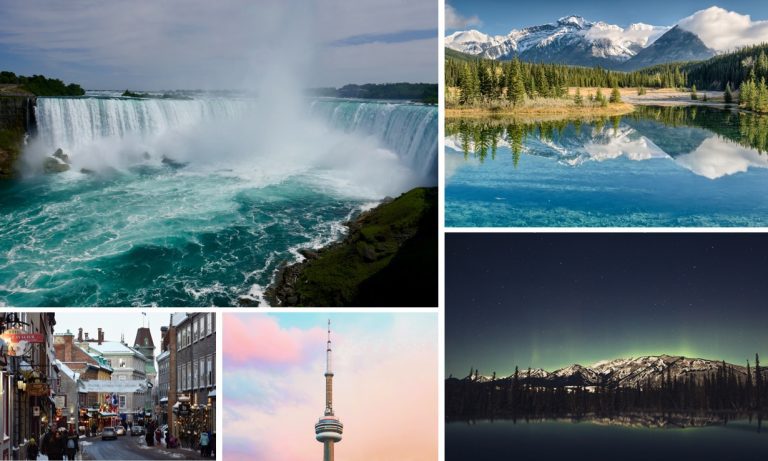
Canada offers a wealth of stunning natural and cultural attractions for international students. Booking a sightseeing tour is a great way to explore the country affordably. Some must-visit destinations include:

  1. Niagara Falls
  2. Banff National Park and the Rocky Mountains
  3. Old Quebec
  4. CN Tower
  5. Jasper National Park
Life in Canada for international students visiting Niagara Falls

Weather

Currency

Religion

Nightlife

Canada’s vast size results in diverse climates across the country. Summer daytime temperatures can exceed 35°C, while winter lows can reach -25°C or colder. Spring and fall are generally mild.

  • Summers: Hot and dry on the prairies, humid in central Canada, and milder on the coasts.
  • Winters: Severe in most areas, with heavy snowfall in some regions.
  • Major cities like Toronto, Vancouver, Calgary, Montreal, and Halifax experience all four seasons distinctly.

Canada uses the Canadian Dollar (CAD). While credit and debit cards are widely accepted, foreign currency can be easily exchanged at airports, shopping malls, banks, and border crossings.

While 38.7% of Canadians follow Christianity, the country is not particularly religious, with 23.9% identifying as non-religious. Approximately 1.5% of Canadians follow Hinduism and 1.4% follow Sikhism, ensuring Indian students face minimal religious discrimination in this progressive and inclusive society

Canada boasts an exciting nightlife scene with vibrant bars, pubs, and music festivals. The country’s party-loving culture ensures there’s always something to do.

The top five cities with the best nightlife include

  1. Toronto, Ontario
  2. Montreal, Quebec
  3. Vancouver, British Columbia
  4. Halifax, Nova Scotia
  5. St. John’s, Newfoundland

Why Live and Work in Canada

Standard of Living

Canada is a top destination for immigrants seeking to live and work abroad. Known for its exceptional quality of life, it consistently ranks higher than developed nations like the UK, US, and Sweden in areas such as quality of life, entrepreneurship, and economic activity.

As one of the wealthiest nations with a robust economy, Canada offers high living standards, making it an ideal place for international students and professionals to thrive.

Stay Back After Sudies

Many international students choose to remain in Canada after completing their studies, drawn by the country’s excellent lifestyle and opportunities.

Through the Post-Graduation Work Permit Program (PGWPP), students can work in Canada for up to three years after completing their studies. The length of the work permit depends on the duration of the course:

  • 1-year program: Stay back for up to 1 year.
  • 2-year program or longer: Stay back for up to 3 years.

Students must apply for a post-study work permit within 180 days of completing their course. For more information, visit the official government website.

Student Part-Time Jobs and Wage Rates

Working part-time during studies is a great way for international students to manage tuition fees and daily expenses. Canada allows students to work up to 20 hours per week on a student visa.

Here are some popular part-time job options for students:

  1. Translator: Leverage Canada’s multicultural environment by working as a freelance translator. Pay ranges from $14/hr to $55/hr.
  2. Content Writer: Freelance writers earn between $40 and $60 per hour.
  3. Tutor: Use your expertise to tutor children, earning between $30 and $60 per hour.
  4. Social Media Assistant: Help companies manage their social media platforms, earning up to $21/hour.
  5. Barista: Work in coffee shops for flexible hours and a pay rate of $11.41/hour.
  6. Uber Driver: Drive for Uber, with earnings ranging from $14 to $25.58 per hour. Requirements include being at least 21 years old, owning a car, and having a smartphone.

How to Find a Part-Time Job

Part-Time Work Opportunities

One major advantage of life in Canada for international students is the ability to work while studying.

Students can:

  • Work part-time during academic sessions

  • Work full-time during scheduled breaks

Common student jobs include retail, hospitality, campus jobs and administrative roles.

Work experience gained in Canada helps students build professional networks and improve employability.

Popular Student Cities in Canada

Canada’s student-friendly environment and affordable tuition fees make it a top choice for international students. Here are some of the best cities for students in Canada:

Quebec City

Known for its picturesque landscapes, vibrant multiculturalism, and high quality of life, Quebec City offers an excellent student experience. Affordable tuition fees and a low cost of living make it a popular destination for international students.

St. John’s

St. John’s, often called the “City of Legends,” is famous for its friendly residents and stunning coastline. This warm and safe city welcomes international students with open arms.

Prince Edward Island

Although Canada’s smallest province, Prince Edward Island offers exceptional opportunities in higher education, particularly in trades and sciences. The University of Prince Edward Island is renowned for having some of the lowest tuition rates in Canada.

Saskatchewan

Saskatchewan is home to one of Canada’s leading research universities and offers numerous education and work opportunities for students and graduates.

Halifax

Halifax boasts some of Canada’s best universities, including Dalhousie University, known for programs in medicine, law, and engineering. Other notable institutions include Cape Breton University, Mount Saint Vincent University, and St. Mary’s University.

Toronto

A global city, Toronto is home to prestigious universities like the University of Toronto, Humber College, and Trent University. With over 160 languages spoken, Toronto offers a rich cultural experience for students from around the world.

Vancouver

Vancouver attracts students with its diverse educational opportunities and breathtaking landscapes. The city is perfect for adventure enthusiasts, offering activities like hiking and skydiving alongside its academic excellence.

Ottawa

Ottawa stands out with its world-class institutions and affordable living costs. Students benefit from excellent educational programs, transportation options, and employment opportunities.

Calgary

Calgary combines natural beauty with academic excellence. Known for its rivers, mountains, and extensive bikeway system, Calgary is perfect for students who enjoy outdoor activities.


Canadian People and Culture

History of Canada

Canada’s culture reflects its colonial history under British and French rule. Quebec, in particular, showcases French influence, while other regions highlight British heritage. Officially established in 1867, Canada expanded by acquiring territories from British possessions, shaping its diverse and multicultural identity.

Demographics

With a population of approximately 37.78 million, Canada ranks 39th in the world by population size. The country’s annual growth rate of 1.4% (2018/2019) is the highest among G7 nations, including the USA, UK, Germany, and France.

Language

Canada is officially bilingual, with English and French as its primary languages. This linguistic diversity enhances the country’s multicultural character.

Demographics and Festivals

Canadians love to celebrate, offering a vibrant festival culture for students to enjoy. Some of the major festivals include

  1. Grand River Pow Wow
  2. Scotiabank Toronto Caribbean Carnival
  3. Kitchener-Waterloo Oktoberfest
  4. Celtic Colours International Festival
  5. Toronto Cavalcade of Lights
  6. Quebec Winter Carnival
  7. Winterlude
  8. Pacific Rim Whale Festival
  9. Ottawa Tulip Festival
  10. Calgary Stampede

Health and Safety in Canada

Health System for International Students

Health insurance is mandatory for international students. Some provinces offer public health coverage, while others require private insurance.

Emergency number in Canada: 911

Universities also provide:

  • Academic support services

  • Mental health counseling

  • Career guidance

  • International student help desks

Immigration & Citizenship in Canada

Student Visa Policy (Subclass 500)

For international students planning to study and work in Canada, obtaining the appropriate visa is essential. Categories include student and skilled worker visas.

Student Direct Stream (SDS)

The Student Direct Stream (SDS), launched by Immigration, Refugee and Citizenship Canada, enables faster visa processing for Indian students. While typical processing takes 2-3 months, SDS reduces this to 4-6 weeks. Most applications are processed within 20 days, but it’s advisable to check the official website for updates.

Extending Your Visa

Students wishing to continue their studies in Canada must apply to extend their study permit at least 30 days before it expires. Applications can be filed online, provided all required documents are ready.

Canada’s Immigration Plans

Under its 2020-2022 Immigration Levels Plan, Canada aimed to welcome over one million permanent residents. Staying updated on immigration policies will help students plan their future in the country.

Immigration & Citizenship in Canada

Eligibility Criteria

  1. Full-time study in Canada for at least 16 months.
  2. Applications must be submitted within 90 days of completing the course, with written proof like a transcript or official letter.
  3. A valid student visa at the time of application.

Work Permit Duration

  • Less than 8 months: Not eligible for a PGWP.
  • 8 months to 2 years: Permit duration equals the length of the course.
  • 2 years or more: Eligible for a 3-year work permit.

Students must graduate from a Designated Learning Institution (DLI) to qualify. A list of DLIs can be accessed online. Applications for the PGWP can also be submitted through the official immigration portal.