The economy of Germany is driven by the service sector that nearly contributes 70% of the total GDP, while others include industries with 29% contribution and Agriculture with 1% contribution. Germany has the largest economy in Europe and ranks in the top five economies in the world. There are many MNCs and homegrown companies that employ millions of people in Germany.

Menu
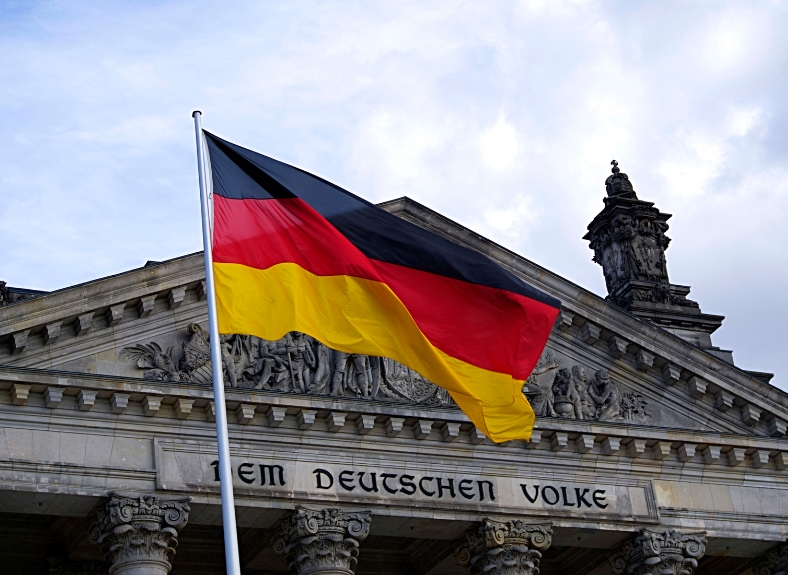
Germany has become one of the most preferred study destinations for students from across the globe. With world-class universities, affordable education, excellent public infrastructure, and strong career prospects, life in Germany for international students offers independence, safety, and long-term growth.
Every year, students from diverse academic backgrounds and cultures choose Germany not only for education but also for the quality of life it promises during and after their studies.
International Student Population in Germany
Germany consistently ranks among the top countries hosting international students. Over the past decade, the number of foreign students has grown steadily, reflecting the country’s global academic reputation.
A significant portion of international students come from India, making it one of the largest source countries. This growing community highlights how welcoming and student-friendly life in Germany has become for international students.Study in Germany for International Students

Population Distribution and Major Cities
Country and Cities
Germany is the most populous country in Europe, with a large percentage of people living in urban areas. Its metropolitan cities are academic, cultural, and economic hubs.
Popular Student Cities in Germany
Berlin – A global education and startup hub
Munich – Strong in engineering, IT, and automotive industries
Hamburg – Media, logistics, and research opportunities
Frankfurt – Finance, business, and international exposure
Cologne – Culture, media, and academic excellence
These cities offer excellent public transport, student housing options, and part-time work opportunities, making life in Germany for international students convenient and comfortable.
Demographic
Germany’s balanced socio-economic policies contribute to its high per capita income of $52,559 and an average life expectancy of 80.3 years.
Domestic Travel
Germany’s balanced socio-economic policies contribute to its high per capita income of $52,559 and an average life expectancy of 80.3 years.
Air Travel
Germany's balanced socio-economic policies contribute to its high per capita income of $52,559 and an average life expectancy of 80.3 years.
Train Travel
Germany's balanced socio-economic policies contribute to its high per capita income of $52,559 and an average life expectancy of 80.3 years.
Bus Travel
Germany's balanced socio-economic policies contribute to its high per capita income of $52,559 and an average life expectancy of 80.3 years.
Trams
Particularly common in cities like Berlin, trams offer an alternative to buses, avoiding city traffic.
U-Bahn
Underground train networks in cities like Berlin, Hamburg, and Munich are the fastest way to navigate urban areas.
S-Bahn
These suburban trains connect larger regions and are integrated with national railway systems and urban centers.
International Travel from Germany
Germany’s major international airports rank among Europe’s busiest. Popular airports include
- Frankfurt Airport
- Munich Airport
- Berlin Brandenburg Airport
- Düsseldorf Airport
- Tegel Airport (now closed but historically significant)
Indian students planning flights to Germany can check with Air India or other international carriers, keeping in mind any COVID-19 travel restrictions.
Accommodation and Meals for International Students
International students in Germany have a variety of affordable accommodation options. Costs vary by city, with metropolitan areas like Munich, Hamburg, and Frankfurt being more expensive than cities in eastern Germany.
Student Residences
The most budget-friendly option, managed by student service organizations.
Shared Flats
A popular choice among international students for affordability and social life.
Private Flats
Suitable for students seeking privacy, though relatively expensive in big cities.
Sightseeing in Germany
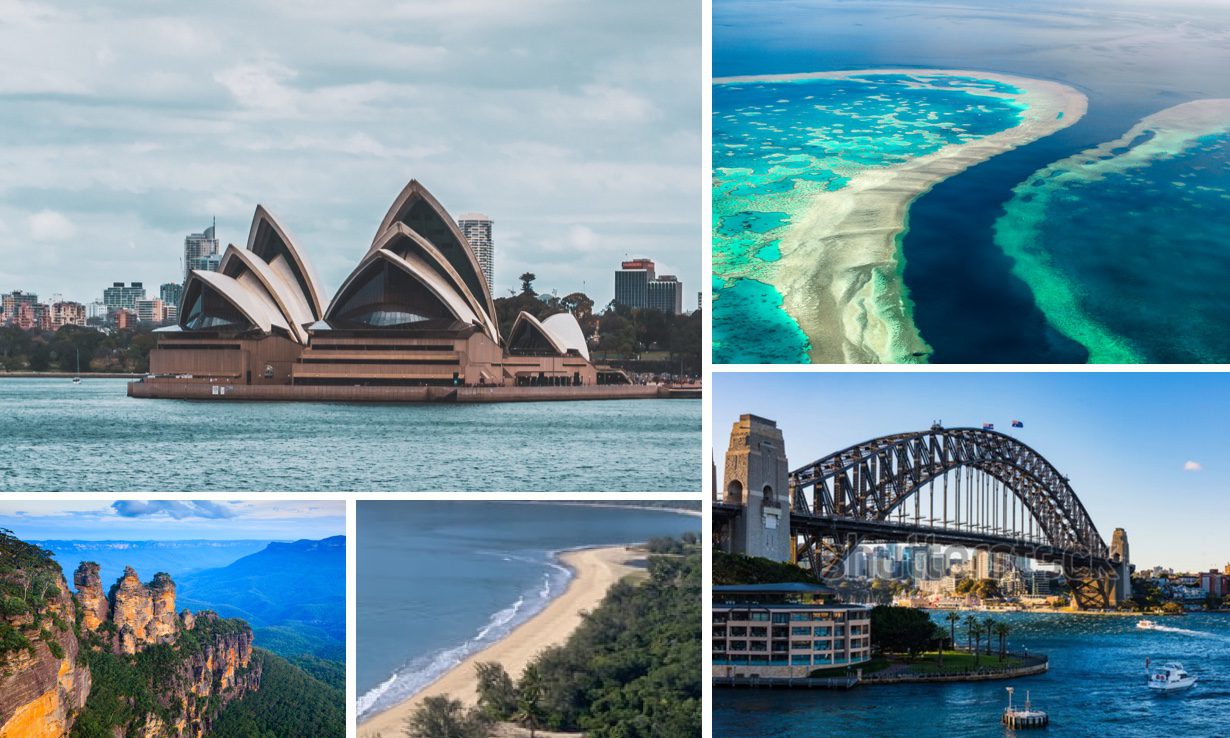
Germany boasts a mix of natural and architectural wonders, attracting international students to explore:
- Berlin Wall
- The Black Forest
- Fairy tale Castles
- Historic Forts of Hamburg
- The Rhine Valley
- Cologne Cathedral
Weather
Currency
Religion
Nightlife
Germany experiences warm summers with year-round rainfall. Winters can be quite cold, so students are advised to carry appropriate woollen clothing.
Germany uses the euro (€) as its currency. International students should exchange some INR for euros before arriving to cover initial expenses like transportation and meals.
Germany uses the euro (€) as its currency. International students should exchange some INR for euros before arriving to cover initial expenses like transportation and meals.
Germany offers vibrant nightlife, with numerous clubs, pubs, theaters, and restaurants. Cities like Berlin, Munich, Frankfurt, Hamburg, and Cologne are renowned for their social and safe nightlife scenes, ensuring a great experience for students.
Why Live and Work in Germany
Standard of Living
As a developed country, Germany offers high standards of living, which are inexpensive when compared to other European countries. The cost of living, which depends on accommodation, food, bills, and other expenses, is 850 euros per month or 10,200 euros per year.
Healthcare
For international students, it is required to have a Health Insurance to avail Public Health programs in Germany. The cost of Public Health Insurance is about 100 euros per month. In comparison, the cost of Private Health Insurance can vary from 400 to 700 euros per month. There are numerous Healthcare institutions in Germany which provide world-class facilities and treatment.
Economic Background of the Country
Part-Time Work Opportunities for Students
While pursuing their studies in Germany, international students can take up part-time employment to support their living expenses.
Key Work Rules
120 full days or 240 half days per year
Up to 20 hours per week during semesters
Full-time during semester breaks
Minimum wage applies nationwide
Common Student Jobs
Research or academic assistants
Tutors
Cafeteria and restaurant staff
Babysitting and delivery services
Finding Part-Time Jobs
Students can find part-time job opportunities through:
- The Federal Employment Agency’s job exchange for international students.
- University notice boards for local job listings.
- Online job portals and student service offices for side jobs.
Work Culture in Germany
Germany’s workplace culture is welcoming and supportive of international students. With the right qualifications and experience, individuals can achieve significant career growth without facing bias or discrimination.
Key aspects of the work environment in Germany:
- Average work hours are approximately 35 hours per week, allowing for a healthy work-life balance.
- Equal opportunities are provided across all levels, ensuring a fair and inclusive work environment.
Germany offers an excellent blend of professional opportunities and quality of life, making it an ideal destination for international students and professionals alike.
Popular Student Cities in Germany
Germany is home to several top-ranking universities located in its metropolitan areas. These cities are not only centers of academic excellence but also offer vibrant cultural experiences and career opportunities. Below is a list of popular cities among international students:
Leipzig
Located in the state of Saxony, Leipzig has a population of approximately 600,000 and is often referred to as “The New Berlin” due to its economic growth and contributions to the German economy. Known for its excellent standard of living and career prospects, the city houses prestigious institutions like Leipzig University, Leipzig University of Applied Sciences, Leipzig Graduate School of Management, and the Max Planck Institute for Mathematics in the Sciences.
Heidelberg
A renowned tourist destination, Heidelberg is a hub for international students looking to advance their academic careers. It is home to world-class institutions such as Heidelberg University, the European Molecular Biology Laboratory, the German Cancer Research Center, the Max Planck Institute for Nuclear Physics, and the Heidelberg International School.
Düsseldorf
As the seventh-largest city in Germany and the capital of North Rhine-Westphalia, Düsseldorf offers abundant opportunities for international students. The city boasts 22 higher education institutions, including Heinrich Heine University, which attracts thousands of international students annually.
Stuttgart
A diverse city with a large international population, Stuttgart is home to prominent educational institutions like the University of Stuttgart, the University of Hohenheim, the State University of Music and Performing Arts, and Stuttgart Technology University of Applied Sciences. One in three residents in Stuttgart is a foreigner, making it a welcoming city for international students.
Dresden
Dresden, the capital of Saxony, is known for its rich cultural heritage and stunning landmarks like the Zwinger Palace, Royal Palace, and Moritzburg Castle. It is also home to top educational institutions such as the Dresden University of Technology and the Helmholtz-Zentrum Dresden-Rossendorf research center.
Berlin
Germany’s capital and largest city, Berlin, is a global hub for education and research. With over 117,000 students enrolled in its public and private institutions during the 2015-2016 academic year, Berlin remains a top choice for international students.
Munich
The capital of Bavaria, Munich, is a global leader in industries like automobile manufacturing, IT, biotechnology, and electronics. The city’s international population exceeds 500,000, comprising 35% of its total residents. Munich is home to numerous multinational companies and prestigious universities.
Frankfurt
Recognized as an “Alpha World City” by the Globalization and World Cities Research Network, Frankfurt is a global business hub and a favorite destination for international students. Top institutions in the city include Goethe University, the Frankfurt School of Finance and Management, and the Frankfurt University of Music and Performing Arts.
Hamburg
With a population of about 2 million, Hamburg is Germany’s second-largest city. It features more than 30 public libraries and six public universities, including the University of Hamburg, Hamburg University of Technology, and the International School of Hamburg, one of Germany’s oldest international schools.
Cologne
Known for its prestigious educational institutions, Cologne is home to the University of Cologne, the Technical University of Cologne, and the German Sport University. The city also hosts renowned research centers like the German Aerospace Center and the Max Planck Institute for Biology of Ageing.
German People and Culture
Historical and Cultural Highlights
Germany’s history dates back 600,000 years, showcasing a rich cultural and historical legacy. From biodiversity and historical landmarks to modern urban infrastructure, Germany offers a blend of tradition and progress. The country’s advancements in infrastructure, industry, and public services post-World War II are particularly noteworthy.
Demographics
Germany spans approximately 357,000 square kilometers and has a population of 83.2 million (as of 2019), making it the 18th most populous country in the world. The country offers an excellent quality of life, with an average life expectancy of 80.3 years.
Health and Safety in Germany
Having recognized health insurance coverage is a compulsory requirement for students enrolled at German educational institutions.
Emergency Numbers
Ambulance / Fire: 112
Police: 110
Medical assistance (non-emergency): 116 117
Universities also have student support centers for mental health, housing, and academic concerns.
Student Support Centers
In case of emergencies, students are encouraged to contact local authorities or the Indian Embassy. Additionally, Germany offers dedicated student support centers that assist international students with accommodation, academic issues, and general well-being
Best Places to Visit in Germany
Germany offers a mix of natural beauty and rich history. Here are some must-visit locations for international students:
- Cologne Cathedral
- Germany’s most visited landmark, attracting 20,000 daily visitors. At 157 meters tall, this Gothic masterpiece is a UNESCO World Heritage site.
- Gothic Fountain (Nuremberg)
- A stunning medieval architectural marvel built by Heinrich Beheim between 1385 and 1396, located in Nuremberg’s main market square.
- The Black Forest
- Spanning 160 km in length and 50 km in width, this enchanting forest features lakes, rivers, and scenic trails, offering a peaceful escape into nature.
- Mosel Valley
- Situated in southwest Germany, this picturesque valley is known for its vineyards, historical homes dating back 400 years, and its proximity to France, Luxembourg, and Belgium.
- Europa Park
- Germany’s largest and Europe’s second-largest theme park, featuring thrilling roller coasters, water rides, and themed areas representing various countries.
- The Brandenburg Gate (Berlin)
- A neoclassical monument symbolizing unity and peace, built in the 18th century.
- Kunstareal (Mun
- An artistic hub featuring numerous museums and galleries showcasing Germany’s architectural and cultural heritage.
- Dresden State Theatre
- A testament to post-World War II reconstruction, this theater embodies Dresden’s rich architectural legacy.
- Karl Theodor Bridge (Heidelberg)
- A nearly 250-year-old arched bridge crossing the Neckar River, connecting Heidelberg’s historic districts.
- Museum of Fine Arts
- Established in 1837, this museum houses over 450,000 artworks, making it one of the world’s largest and a must-visit for art enthusiasts.
Immigration and Citizenship in Germany
Student Visa Options
International students planning to study in Germany can choose from different visa categories based on their academic status:
Student Visa – For students who already have admission to a German university
Language Course Visa – For students enrolling in German language programs
Student Applicant Visa – For those who need time in Germany to finalize university admission
After arriving in Germany, students are required to register locally and apply for a residence permit within a limited time period.
Residence Permit and Visa Extension
A student visa allows entry into Germany, but long-term stay depends on a valid residence permit.
Key points to know:
Residence permits are usually issued for a limited duration and must be renewed before expiry
Applications are submitted at the local immigration office
Students need to provide proof of accommodation, financial stability, health insurance, and university enrollment
Keeping documents updated is essential for a smooth stay during student life in Germany.
Post-Study Work Visa
After completing their degree, international graduates can remain in Germany to explore career opportunities.
Graduates are allowed to stay for a fixed period to search for jobs related to their field
During this phase, full-time employment is permitted
Once employed, students can shift to a work-based residence permit
This transition makes life in Germany for international students highly attractive from a career perspective.
Permanent Residency and Citizenship
Germany actively welcomes skilled professionals who wish to settle long-term.
Pathway highlights:
Continuous legal residence and employment can lead to permanent residency
Basic German language skills and financial stability are required
After long-term integration, students may become eligible to apply for German citizenship
Germany’s structured immigration system supports international students in turning education into a stable future.