
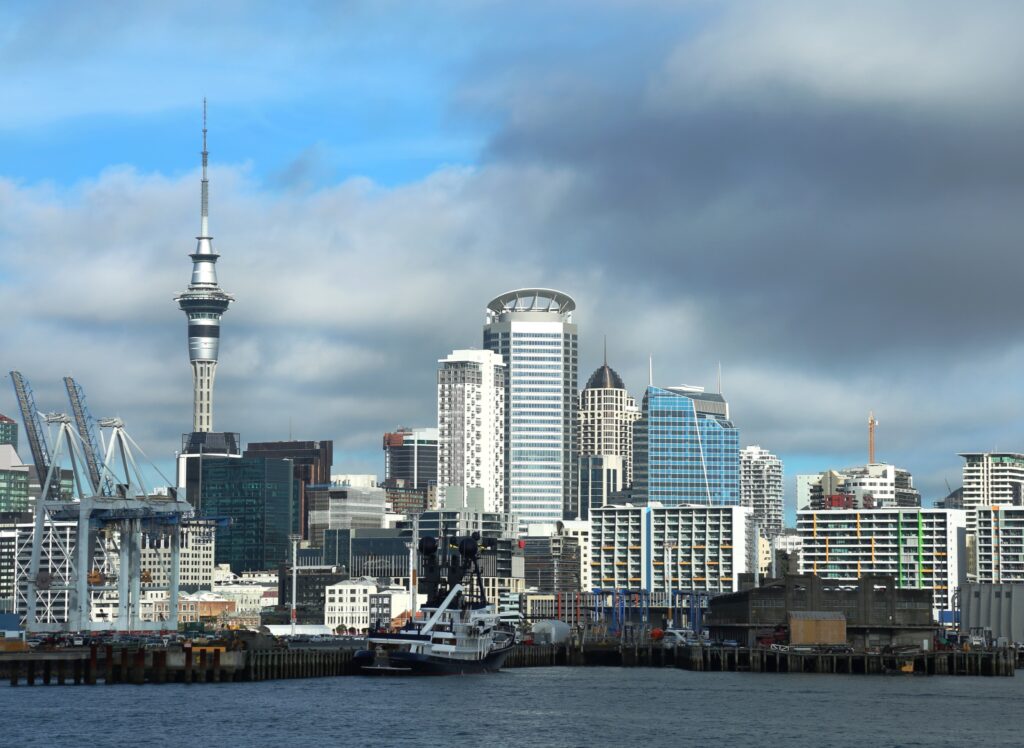
Life in New Zealand for international students offers a perfect mix of quality education, safety, cultural diversity, and breathtaking natural beauty. This island nation in the South Pacific consists of the North and South Islands along with more than 600 smaller islands. Surrounded by the South Pacific Ocean and the Tasman Sea, New Zealand provides a peaceful and healthy environment for students coming from across the world.
With a population of around 5 million people and a strong economy, the country is known for its high living standards, modern infrastructure, and welcoming communities.
International Student Population in New Zealand
New Zealand is one of the safest and most student-friendly countries globally. Every year, more than 100,000 international students choose New Zealand for higher education.
Students are attracted by:
Globally recognized universities
Practical learning approach
Post-study work opportunities
Safe and multicultural society
If you are planning to study abroad, you can also explore our internal guide on https://rightwaycareers.com/study-abroad-in-new-zealand/ https://rightwaycareers.com/study-abroad-in-new-zealand/

Population and Cities
New Zealand covers an area of 268,021 km². The largest city is Auckland, while Wellington is the capital. Other major student-friendly cities include:
Christchurch
Hamilton
Tauranga
Demographic
New Zealand is culturally diverse:
Around 70% European descent
16.5% Māori
15% Asian community
This diversity makes life in New Zealand for international students inclusive and welcoming
Domestic Travel
Traveling within New Zealand is convenient for international students due to its well-connected road network, allowing exploration of cities and towns with ease. Transportation options include buses, trains, rental cars, and campervans.
Air Travel
Major international airports include: Auckland International Airport Christchurch International Airport Wellington International Airport
Train Travel
With a railway network covering about 4,000 km, trains connect most cities, offering breathtaking scenic views. Auckland and Wellington have dedicated suburban rail systems.
Bus Travel
Buses are the most popular mode of transport among students due to their affordability. Fares start from as low as 1 NZD, making it a budget-friendly option.
Ferry Services
Ferries connect the North and South Islands through the beautiful Cook Strait.
International Travel
New Zealand is well-connected internationally, with flights arriving from various parts of the world. Flights from India depart from cities like Mumbai, Kolkata, Bengaluru, Delhi, Chennai, and Hyderabad, typically landing in Auckland, the primary hub for international flights. Common stopovers include Kuala Lumpur, Bangkok, Hong Kong, and Singapore.
Popular international airports in New Zealand:
- Auckland International Airport
- Christchurch International Airport
- Wellington International Airport
- Queenstown International Airport
- Dunedin International Airport
- Rotorua International Airport
Accommodation and Meals
Finding accommodation in New Zealand is generally more accessible compared to other English-speaking countries, though affordability can be a challenge. The cost of living varies based on location and amenities, so students are advised to explore options that suit their budgets.
Halls of Residence
Independent living is an option, usually more expensive but offering flexibility.
Homestays
Students live with a local family. Weekly costs range between NZ$110 and NZ$370.
Independent Flats
Independent living is an option, usually more expensive but offering flexibility.
Sightseeing in New Zealand
Despite its small size, New Zealand boasts breathtaking landscapes, from towering mountain ranges and underground caves to golden beaches and rugged coastlines. Activities such as glacier trekking, hiking, bungee jumping, skydiving, and water rafting allow students to immerse themselves in the country’s natural beauty.
Weather
Currency
Religion
Nightlife
Surrounded by water, New Zealand enjoys a mild climate with moderate rainfall and abundant sunshine. The northern regions are generally warmer, while the south experiences cooler temperatures. Seasons include:
- Summer: December to February
- Autumn: March to May
- Winter: June to August
- Spring: September to November
Temperatures range from 30°C in summer to -15°C in winter.
The official currency is the New Zealand Dollar (NZD), informally known as the Kiwi Dollar. Students are encouraged to carry some local currency for initial expenses upon arrival.
New Zealand is a multicultural and secular nation. About 50% of the population identifies as non-religious, 37% as Christians, and smaller percentages follow Hinduism, Islam, Buddhism, Sikhism, and Māori spiritual beliefs. The country promotes religious freedom, allowing students to practice their faith without restriction.
New Zealand offers a vibrant nightlife with options to suit all budgets. Students can enjoy bars, restaurants, clubs, and coffee spots, making it easy to socialize and unwind. From lively cityscapes to cozy venues, there is something for everyone.
Why Live and Work in Zealand?
Standard of Living
New Zealand ranks third globally for material living standards and sixth for work-life balance. Unlike many other countries, its cities are neither overcrowded nor polluted, providing residents with an exceptional quality of life supported by robust healthcare and administrative services. The nation’s high-quality education system further contributes to the well-being of its citizens. International students will find it easy to adapt to New Zealand’s lifestyle while pursuing their academic and career aspirations.
Stay Back After Studies
After completing higher education in New Zealand, students can apply for a post-study work visa, valid for one to three years, depending on their qualifications. This visa enables them to work in roles relevant to their field of study, offering a pathway to gain valuable experience and build a career.
Student Part-Time Jobs and Wage Rates
International students in New Zealand can work up to 20 hours per week during academic terms and full-time during holidays. Master’s and PhD students are often permitted to work full-time even while studying.
Popular part-time job options include:
- Retail Sales Assistant
- Seasonal Worker
- Supermarket Assistant
- Call Center Operator
- Bartender
- Waitstaff
The average wage for part-time jobs is approximately 18.90 NZD per hour, and students are entitled to pay for public holidays and rest breaks.
How to Find a Part-Time Job
National organizations like Student Job Search assist students in finding part-time jobs tailored to their preferences and qualifications. By registering as a student and selecting specific regions, fields, and job types, students can explore relevant opportunities.
Job Culture and Ethics
Top Engineering Jobs in Germany
Workplaces in New Zealand are known for their communicative and supportive environment. Though the workplace culture may differ from other countries, employees generally find it easy to adapt. The standard workweek is capped at 40 hours, and employers prioritize the well-being of their teams, making the experience both enjoyable and rewarding.
Popular Student Cities in New Zealand
New Zealand is home to several world-renowned universities located in cities such as Wellington, Auckland, and Christchurch. These cities offer excellent opportunities for education and a welcoming environment for international students.
Hamilton
Hamilton, the fourth-largest city in New Zealand, is a quiet hub that hosts numerous national and international events. It is home to the University of Waikato, Waikato Institute of Technology, and Te Wananga O Aotearoa.
Nelson
Situated in the northwestern region of the South Island, Nelson is New Zealand’s sunniest city, receiving 2,500 hours of sunshine annually. Attractions include Abel Tasman National Park, and its top academic institutions are Nelson Marlborough Institute of Technology and Nelson School of Music.
Palmerston North
Located on the North Island, Palmerston North boasts thrilling weather and is home to Massey University, along with institutions like Universal College of Learning and IPU Tertiary Institute of New Zealand.
Invercargill
Known as the “City of Water and Light,” Invercargill features stunning summer twilights and views of the Southern Lights. It is an emerging business hub and home to the Southern Institute of Technology, offering various undergraduate and postgraduate courses.
Napier-Hastings
These twin cities in the Hawke’s Bay region are renowned for Art Deco architecture, fruit gardens, and cattle farming. The Eastern Institute of Technology provides higher education opportunities in fields such as hospitality, tourism, health sciences, and IT.
Wellington
The capital city, Wellington, is a vibrant hub of art and culture, often dubbed the “coolest little capital in the world.” It is home to prestigious institutions like Victoria University and Massey University, which attract a large number of international students.
Auckland
Famed for its bustling city life and breath-taking landscapes, Auckland is home to the University of Auckland, the nation’s oldest and highest-ranked university (82nd globally). The city regularly hosts sports and cultural events that add a dynamic flair to its lifestyle.
Dunedin
Dunedin, often called the “Learning Capital of New Zealand,” is known for the University of Otago, its beaches, and the only mainland albatross colony. Its Gothic-style architecture offers a unique European charm.
Christchurch
Christchurch is a top choice for international students, particularly those attending the University of Canterbury, Lincoln University, or the Christchurch Polytechnic Institute of Technology.
New Plymouth
With a population of just 50,000, New Plymouth offers a peaceful environment ideal for studying. The Western Institute of Technology at Taranaki (WITT) provides courses in arts, media, social sciences, hospitality, and business.
New Zealand’s cities offer a blend of vibrant student life, excellent educational opportunities, and unique natural beauty, making them ideal destinations for international students.
New Zealand People & Culture
History of New Zealand
New Zealand has a rich history that weaves together Maori and European traditions. The Maori were the first inhabitants of the land, while Dutch explorer Abel Tasman was the first European to sight the island nation. Later, British explorer James Cook mapped the islands in 1769, leading to British colonization.
In 1840, the Treaty of Waitangi was signed between the Maori chiefs and representatives of the United Kingdom, making New Zealand a British colony while granting the Maori equal rights. However, disputes arose, leading to conflicts between the two groups in 1843. New Zealand eventually gained full independence in 2000, with Queen Elizabeth II remaining the country’s official head of state.
Demographics and Festivals
Job Culture and Ethics
New Zealand spans an area of 268,021 km² and has a population of approximately 5 million. The average life expectancy of its citizens is 81.66 years.
New Zealand is a developed country that provides quality life, economic freedom, education, and protection to the citizens. It is an island nation that consists of two main landmasses, the North and South Islands, along with 600 small islands, with the 9th largest coastline of 15,000 km. N.Z. is bordered by the South Pacific Ocean and the Tasman Sea, and the weather remains adaptable for healthy living.
Language
The official languages of New Zealand are English, Maori, and New Zealand Sign Language, reflecting the country’s multicultural heritage.
Health and Safety in New Zealand
Healthcare System
New Zealand boasts a high-standard healthcare system. International students are required to have health and travel insurance to access healthcare services. The country provides excellent facilities for emergencies and medical assistance.
Support Centers for Students
For international students, New Zealand offers various support systems to ensure a safe and comfortable stay. In case of emergencies, students can dial 111 for services such as police, ambulance, and fire rescue.
- Healthcare Helpline: 0800 611 116
- Police (General Assistance): 105
- Indian Consulate: 09-6366306
Additionally, most universities and educational institutions provide dedicated student support services. Students are encouraged to connect with their university’s support staff or the Indian Embassy in New Zealand for assistance.
Best Places to Visit in New Zealand
New Zealand may not be one of the largest countries in the world, but it is packed with countless attractions and activities. Whether you’re exploring the breathtaking landscapes and coastlines or engaging in thrilling adventures like rafting, jet boating, skydiving, or bungee jumping, New Zealand has something for everyone. The country is also rich in cultural and historical heritage, with Victorian cities, grand mansions, and historic landmarks offering a window into its past.
Coromandel Peninsula
Located on New Zealand’s North Island within the Waikato region, the Coromandel Peninsula is a stunning destination. Its name has roots in India’s Coromandel Coast. Must-visit spots here include The Lost Spring, Cathedral Cove Walk, Hot Water Beach, and Rapaura Water Gardens.
Queenstown
Known as the “Adventure Capital of the World,” Queenstown is famous for its adrenaline-pumping activities. In addition to adventure sports, visitors can enjoy family-friendly attractions like farm tours, indoor karting, Segway tours, and quad biking.
Abel Tasman National Park
Situated at the northern tip of the South Island between Golden Bay and Tasman Bay, Abel Tasman National Park is the smallest national park in New Zealand. Despite its size, it offers an unforgettable experience with its walking tracks that take 3-5 days to explore.
Waitomo Glowworm Caves
Renowned for its enchanting boat rides beneath thousands of glowworms, the Waitomo glowworm Caves are a must-see natural wonder. The caves attract visitors interested in geology and history from all over the world.
Franz Josef Glacier
This 12 km long glacier, located within Westland National Park, is one of New Zealand’s most dramatic natural attractions. Originating in the Southern Alps, it descends to a mere 300 meters above sea level. It draws over 250,000 visitors annually for its accessible hiking routes.
Sky Tower, Auckland
Auckland’s Sky Tower stands at 328 meters in the heart of the city. This telecommunications and observation tower offers panoramic views of Auckland. Visitors can enjoy dining at the Sky Café, Orbit 360° Dining, and The Sugar Club restaurant.
Milford Sound
Situated on the West Coast of the South Island, Milford Sound is a fjord often called the “Eighth Wonder of the World.” Known for its alpine scenery and hiking trails, this destination is a favorite among both locals and international visitors.
Bay of Islands
The Bay of Islands is a historical treasure trove and a haven for fishing, sailing, and exploring. Featuring 144 islands, it’s also rich in wildlife, including dolphins, whales, marlin, and gannets.
Tongariro National Park
As New Zealand’s oldest national park and a UNESCO World Heritage Site, Tongariro National Park is celebrated for its cultural and natural significance. It features several sites sacred to the Maori people.
Rotorua
Rotorua is a geothermal wonderland featuring geysers, hot mud pools, and the Rotorua Caldera. Surrounded by numerous lakes, this destination is popular among tourists for its natural beauty and geothermal activity.
Immigration & Citizenship in New Zealand
Student Visa
Indian students require a student visa to study in New Zealand. This visa is typically valid for the course duration and allows students to work up to 20 hours per week during their studies and full-time during holidays. Applications should be submitted at least six weeks before departure via the official New Zealand Immigration website.
Requirements for a Student Visa:
- Acceptance letter from an institution
- Proof of financial resources
- Health and travel insurance
- Medical certificates
Extending Your Visa
Visa extensions are possible in New Zealand, usually for reasons like course completion delays. For guidance, consult a licensed immigration consultant or visit the official visa renewal website.
Post-Study Work Visa (PSW)
After completing studies, graduates can apply for a post-study work visa, valid for up to three years depending on the qualification. Once approved, applicants will need to register for a tax number (IRD).
Citizenship and Language Requirements
New Zealand offers pathways to permanent residency and citizenship for eligible individuals. Language proficiency is often a requirement for various visa categories.
For further details, visit the official New Zealand Immigration website.