
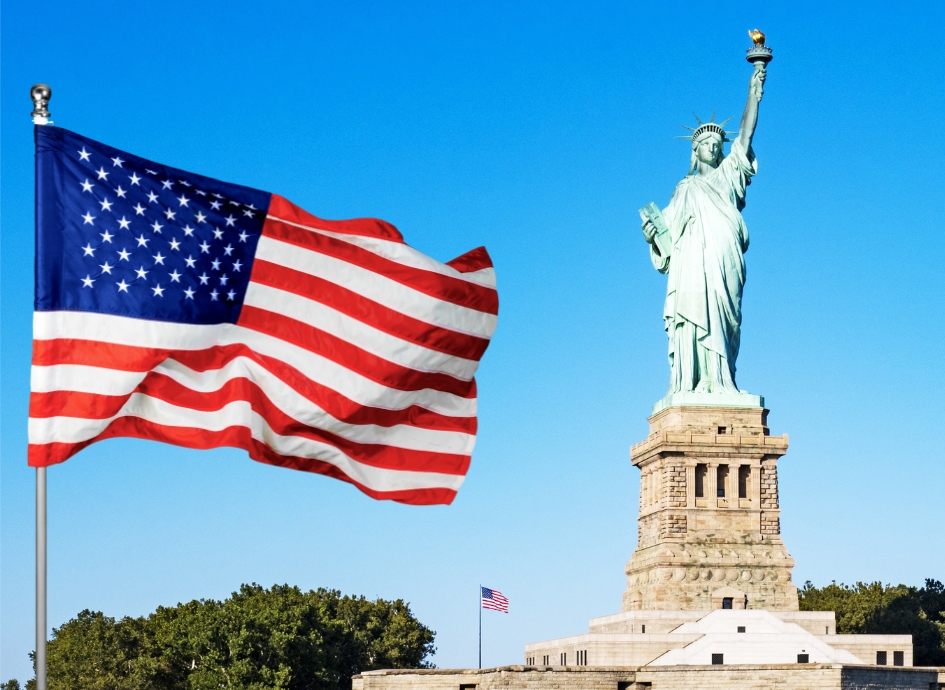
Life in USA for international students offers unlimited academic, career, and lifestyle opportunities. The United States is the third-largest country in the world, covering nearly 10 million square kilometers. From busy metropolitan cities to peaceful college towns, students can choose an environment that matches their goals and personality.
With world-class universities, multicultural communities, and strong career prospects, the USA continues to be one of the most preferred destinations for higher education.
International Student Population in the USA
The United States hosts the largest number of international students globally. Every year, more than one million students choose American universities for undergraduate, postgraduate, and research programs.
Indian students form one of the largest international communities in the U.S., especially in STEM, business, and healthcare programs.
This strong international presence makes life in USA for international students diverse, inclusive, and globally connected.
You can also explore our guide on Study in USA Admission Process.

Population and Major Cities in the USA
The United States has a population of over 330 million people, making it one of the most dynamic and diverse countries in the world.
Top Cities for Students
New York City
Los Angeles
Chicago
Houston
San Francisco
Each city offers different advantages—tech opportunities in California, finance in New York, political exposure in Washington, D.C., and research hubs across the country.
Demographic
The United States is experiencing a significant rise in its immigrant population, reaching near-record levels. This trend highlights the country’s global appeal for higher education, career prospects, and overall quality of life.
Domestic Travel in USA
Traveling within the country is convenient and well-developed.
Air Travel
Most major cities have international airports with domestic connections.
Train Travel
Rail services connect many cities, especially in the Northeast region.
Bus Travel
Budget-friendly bus services operate between states and cities.
Metro & Public Transit
Big cities like New York City and Chicago have efficient subway systems.
International Travel
Flying is the primary mode of travel between India and the United States. Each year, thousands of Indians travel to the U.S., with numerous flights connecting the two countries.
Direct flights to the U.S. are available from major Indian cities like Delhi and Mumbai. International airlines such as Air India, British Airways, Emirates, Lufthansa, and Etihad Airways regularly operate flights from New Delhi to destinations like Washington, D.C.
Popular International Airports in the USA:
- Chicago O’Hare International Airport – Chicago, Illinois
- George Bush Intercontinental Airport – Houston, Texas
- Dulles International Airport – Virginia (serving the Washington, D.C. area)
- Dallas/Fort Worth International Airport – Dallas, Texas
- John F. Kennedy International Airport (JFK)—New York City, New York
- Miami International Airport – Miami, Florida
- Los Angeles International Airport (LAX) – Los Angeles, California
These airports ensure seamless connectivity to and from India, offering a wide range of options for international students and travelers.
Accommodation and Meals
Finding housing is manageable if planned early. Accommodation plays an important role in shaping life in USA for international students.
On-Campus Dormitories
University dormitories are safe and convenient, especially for first-year students.
Off-Campus Apartments
Students often share apartments to reduce costs.
Homestays
Living with an American family helps students understand local culture and lifestyle..
Sightseeing
The United States is vast, making it impossible to explore every region during your studies. However, you can plan trips to iconic destinations, including
- Grand Canyon
- Niagara Falls
- Statue of Liberty
- White House
- Yellowstone National Park
- Times Square
- Golden Gate Bridge
Weather
Currency
Religion
Social Life
The climate in the United States changes from one region to another. Some states have freezing winters with snow, while others enjoy mild or warm weather most of the year. In many places, summers can be quite hot. International students should research the climate of their selected state to pack and plan properly.
The United States uses the U.S. Dollar (USD) for all transactions. Students usually set up a bank account after arrival to manage everyday expenses such as housing, food, and transportation. Online payments and card transactions are commonly used across the country.
The USA is home to people from many cultural and religious backgrounds. While Christianity is widely practiced, there are also communities of Muslims, Hindus, Jews, Buddhists, and followers of other faiths. Everyone has the right to practice their religion freely.
Student life in the USA offers many chances to meet new people and explore different cultures. Colleges organize events, clubs, sports activities, and community programs throughout the year. This helps international students build friendships and enjoy a balanced study experience.
Why Live and Work in the USA
Standard of Living
The U.S. ranks highly in social and economic well-being, offering an exceptional standard of living. Big cities, competitive salaries, and a strong quality of life attract people from around the world to work and settle in the U.S.
Economic Opportunities
The U.S. economy is one of the largest in the world, providing ample job opportunities and career growth, especially for skilled professionals.
Work Opportunities During Study
International students on an F-1 visa can:
Work up to 20 hours per week during academic sessions
Work full-time during official breaks
Take part in CPT (Curricular Practical Training)
Apply for OPT (Optional Practical Training) after graduation
For official rules and latest updates, visit U.S. Citizenship and Immigration Services ( https://www.uscis.gov)
Post-Study Work Opportunities
Under current regulations:
OPT (Optional Practical Training)
F-1 students can work for 12 months after graduation.
STEM OPT Extension
Students in Science, Technology, Engineering, and Mathematics fields can apply for a 24-month extension.
This allows eligible graduates to stay and work in the USA for up to 3 years after completing their degree.
These opportunities significantly enhance life in USA for international students by providing real-world industry exposure.
How to Find a Part-Time Job
For off-campus employment, students must seek permission from USCIS and an authorization letter from their university. To increase your chances of finding a part-time job, consider the following:
- University Resources: Reach out to the International Students Office or Career Guidance Cell for information on job opportunities in local businesses.
- Local Media: Check local newspapers, magazines, and community websites for job postings.
- Online Platforms: Websites like Simply Hired, Craigslist, and College Grad are excellent resources for finding part-time work.
- Networking: Join LinkedIn or Facebook groups related to your field of interest for job market updates and opportunities.
Work Culture in USA
Americans place a high value on work, which is often seen as a defining aspect of their identity. While the workplace culture is professional and results-driven, it is not strictly hierarchical, as employees at all levels contribute to decision-making.
Popular Student Cities in the USA
Boston
Home to top universities and a strong research culture.
Seattle
Technology and innovation hub.
Austin
Young, vibrant, and startup-friendly environment.
Washington, D.C.
Political and international relations hub.
American People and Culture
History of America
America was first discovered in 1493 by Christopher Columbus and was later colonized by Britain. During the 16th century, several colonies revolted against British rule, leading to the American Revolution. The Declaration of Independence, signed in 1776, marked the birth of an independent United States, which has since evolved into a nation with its unique and diverse culture.
Demographics
The USA, with a population of approximately 331,257,970, is the third most populous country in the world. Immigration plays a significant role in its population growth, contributing to the country’s rich cultural diversity.
Languages
The primary language spoken in the USA is English, though the cultural diversity means many other languages are also commonly spoken across the nation.
Health and Safety in the USA
Healthcare in the USA is private and can be expensive. That is why health insurance is mandatory for international students.
For emergencies, dial 911.
Students can also check official education support resources from U.S. Department of State https://educationusa.state.gov
Best Places to Visit in the USA
The USA offers a wide range of destinations for students, from vibrant cities to natural wonders. Here are some popular spots:
- Las Vegas: Known for its entertainment and nightlife, visiting Las Vegas is a unique experience.
- Washington, D.C.: Famous for its national monuments and the Cherry Blossom Festival.
- Miami: Offers trendy nightlife, stunning beaches, and art festivals.
- Boston: Known for its rich history, green spaces, and friendly locals.
- New York City: A global icon featuring landmarks like Times Square, the Statue of Liberty, and the Empire State Building.
- San Francisco: Famous for its iconic Golden Gate Bridge and picturesque streets.
- The Grand Canyon: A natural wonder offering breathtaking views, often visited as a day trip from Las Vegas or Phoenix.
Other notable destinations include Chicago, Los Angeles, Phoenix, and Seattle.
Immigration and Citizenship in the USA
Student Visas
F-1 Visa
For full-time academic programs.
J-1 Visa
For exchange programs.
M-1 Visa
For vocational and technical programs.
For accurate and updated visa information, always refer to U.S. Department of State https://travel.state.gov
Maintaining Legal Status in the USA
Maintaining visa status is a crucial part of life in USA for international students.
Students must:
Stay enrolled full-time
Avoid unauthorized employment
Keep passport valid
Follow work hour restrictions
Inform authorities about address changes
Failure to maintain status can affect future visa or Green Card applications.
Permanent Residency (Green Card)
A Green Card gives a person the legal right to stay and work in the United States on a permanent basis.
Common pathways include:
Employer sponsorship
Family sponsorship
Diversity Visa Lottery
Investment-based immigration
Permanent residents receive most benefits of citizens except voting rights in federal elections.
Why Immigration Knowledge Matters
Understanding immigration rules helps students make informed decisions about education, work, and settlement plans. Many students begin their journey with studies, but with the right planning, life in USA for international students can evolve into a long-term professional and personal future.
For latest immigration updates, always refer to official government websites.